
Most UK padel court projects are likely to require planning permission due to them typically involving outdoor developments with permanent glass and steel structures, floodlighting, and groundworks.
In most cases, padel projects are commercial facilities involving increased site activity, excessive noise levels or a change of land use all of which can require planning considerations
Padel court approval is normally assessed on a case-by-case basis with planning permission UK requirements varying significantly depending on the location and it’s local regulations.
Owners need to be aware of the relevant regulations and planning considerations in place when beginning a UK padel court project.
Looking to start a padel project in the UK? Speak with our experts at Mejorset for specialist guidance and tailored advice.
Yes, in most cases, planning permission will be required for UK padel court projects. This is because courts typically involve permanent structures including
Commercial use can increase football,operating hours and even involve a change of use for the site. The final planning requirements will depend on the local planning authority of the area.
Planning permission is usually determined on a case-by-case basis. Different project types face different planning considerations.
Outdoor padel courts generate the highest volume of planning applications due to their larger impact on the surrounding environment.
These projects typically involve permanent enclosures, significant groundworks, drainage systems, and floodlighting for evening play.
Key planning considerations include operating hours, proximity to neighbouring properties, noise and visual impacts.
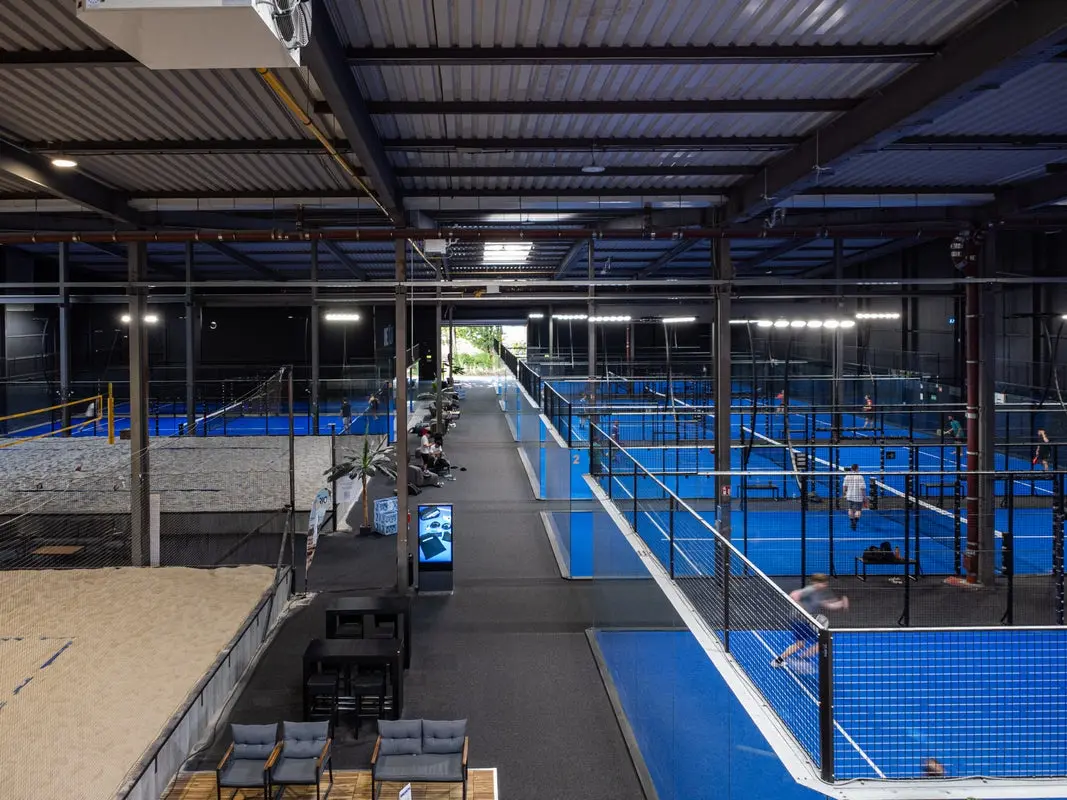
Indoor padel courts in buildings such as can warehouses, leisure buildings, gyms and sports halls can be subject to planning permission requirements. It’s important to consult local authorities before installing a new court.
Permission may also be required where there is a change of land use such as converting warehouse or industrial site to a leisure facility. It may be assessed whether there will be increased traffic, or additional parking demand.
Planning may also be required if excessive building works are involved such as extensions or structural alterations to the building. In some cases, changes to operating hours can also trigger planning requirements.
Indoor facilities can be easier to get planning permission as they are often less visually impactful on the surrounding areas than outdoor courts.
Private residential padel courts often require planning permission and can be challenging to optain due to their size and impact on neighbouring properties.
Depending on the size of a garden, standard padel courts are typically 10m x 20m and can dominate a residential garden making approval more complex.
Private garden courts are commonly objected by neighbours due to their tall enclosure height, increased noise from play and light pollution impacts particularly when neighbours live close by.
Approval is more likely where properties have larger gardens and are greater distances from surrounding residential areas.
Getting planning permission in green belt and sensitive sites such as convervation areas, protected landscapes, flood-prone zones can be significantly more difficult to approve but not impossible.
These sites are often protected due to their deep historical heritage or have environmental or ecological importance.
As a result these sites can require stronger justification and specialist planning input demonstrating the special circumstances and plans to minimise impact on the site.
The costs associated with setting up a padel court in the UK can vary depending on several factors such as:
It is important to consider the long term value when choosing a padel court provider. SD Padel supplies high-quality and durable FIB certified courts in the UK which are designed to provide long lasting infrastructure for clubs, facilities and other operators
“Contact Mejorset for a tailored quote and UK court supply guidance.”
Prior to submitting an application, its important to note what court specifications can affect planning
The most common specifications are the
Working with an experiences padel court supplier early in the project can help to ensure the court specifications are suitable for obtaining planning permission and also long term operations.
When making a UK padel court application there areseveral documents you may need to provide such as:
The exact documentation varies between local authorities and individual sites.
Noise is one of the most important considerations for padel courts. Sound from gameplay and extended operating hours can affect nearby residents.
Effective acoustic design can help reduce noise impacts and in many cases a formal noise assessment is required to know the proposed effect on neighbours.
Floodlighting can create light pollution and spill into neighbouring properties especially in the evening and winter time.
Planning authorities will assess the design and direction of the lighting to determine the impact on the surrounding areas.
Padel facilities can Increase traffic levels and parking demand particularly during peak hours.
Planning authorities will assess whether the site has safe and accessible access for both users and staff.
Padel courts are large structures that can have visual impacts on surrounding views. Enclosure height and fencing can affect natural light levels and openness of the area.
Padel courts require effective drainage systems to manage surface water and maintain playing conditions.
In addition, planning authorities may need to consider ecological impacts and any affect on the surrounding nature during construction.
The planning permission process can often seem confusing, following a structured approach can simplify the processs.
There are several ways to improve the chances of getting a padel project approved. Before submitting the planning application you should address potential concerns.
MejorSet has more than 20 years experience installing padel courts in more than 77 countries. Manufacturing padel courts for clubs, sports facilities, hotels and resorts, residential projects, and professional environments all over the world.
SG Padel is the recommended official UK distributor for installing MejorSet courts for your UK project. We support the planning process with court model information, technical specifications, layout considerations, product advice, supplier-side coordination.
CTA: “Planning a UK padel court? Contact us and we will put you in contact with our local distributor.


%402x.svg)