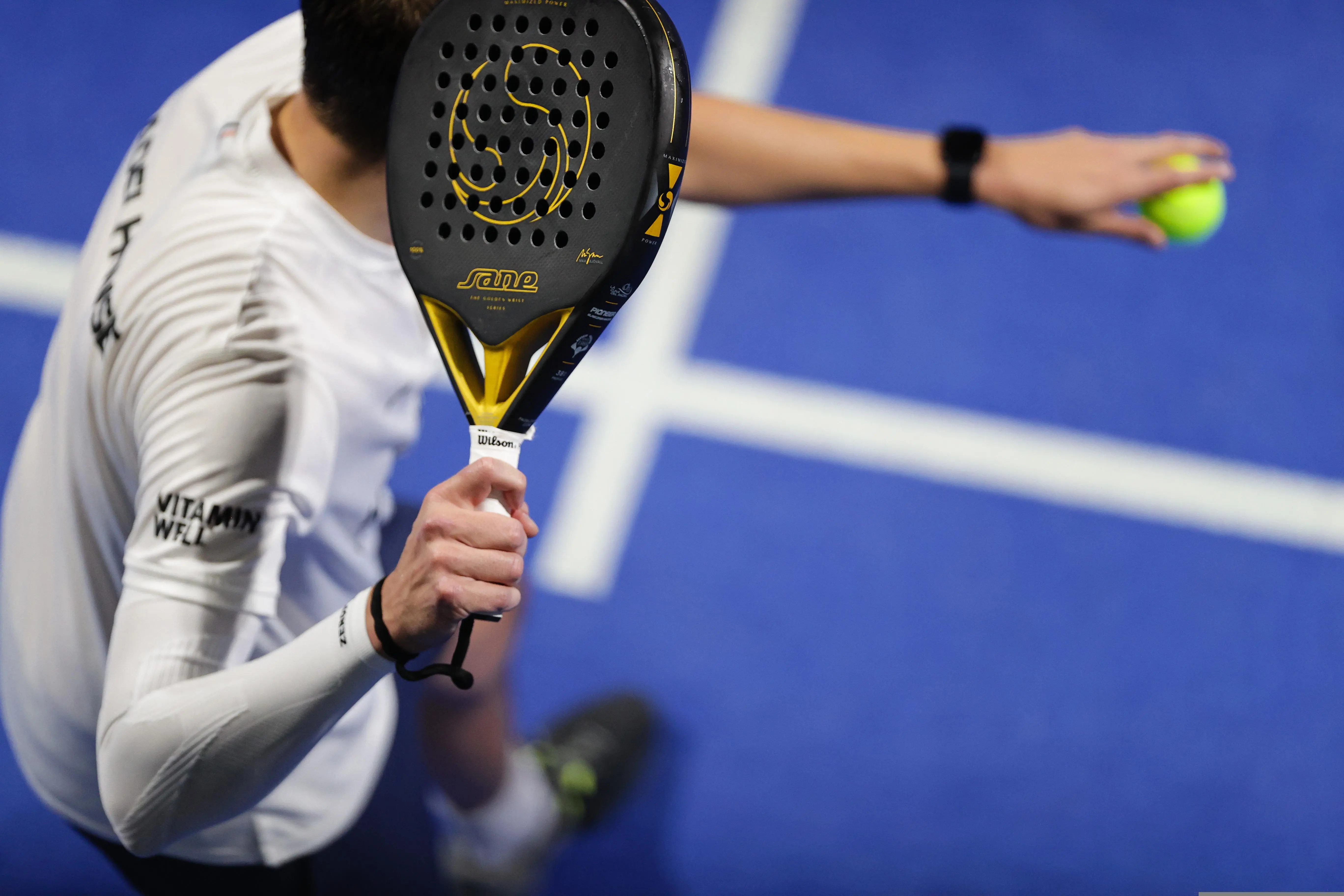
As one of the world’s fastest-growing sports, padel continues to expand rapidly across Europe, the Americas, and Asia. Australia is now emerging as the next key market in the global growth of the sport.
Padel is quickly becoming one of Australia’s fastest-growing sports, with the number of courts increasing by more than 50% over the past year alone.
As interest in the sport continues to accelerate, club owners and investors have a major opportunity to capitalize on this momentum by developing high-quality facilities with durable, long-lasting courts that comply with Australian standards and regulations.
Yes. Padel is now played throughout Australia, with more than 100 courts installed across the country. While padel in Australia is still relatively new compared to more established international markets, the sport is expected to follow the same rapid growth seen across Europe and other global regions.
The first padel court was introduced in Australia in 2021, when the sport was still considered a niche activity. Since then, the industry has expanded significantly, creating a fast-growing and passionate padel community nationwide.
This growth is creating major opportunities for tennis clubs, gyms, and sports facilities to invest in padel infrastructure and benefit from the sport’s increasing popularity.
Put simply, Padel is growing rapidly in Australia due to its accessibility for players of all ages and experience levels. With smaller courts, fast-paced gameplay, and a highly social environment, the sport appeals to a broad range of audiences.
It is generally easier to learn than many traditional racket sports, making it attractive to tennis players, squash players, and general fitness enthusiasts alike.
The rising popularity of padel also creates a major commercial opportunity for clubs, developers, resorts, hotels, universities, and residential communities. Investing in padel courts not only helps generate additional revenue, but can also attract new members, guests, and customers to a facility.
Padel might be the ideal sport for attracting players who seek competitive training, but is also becoming a highly social and accessible activity for casual players of all ages and skill levels.
Its combination of sport, entertainment, and social interaction creates valuable opportunities for clubs and developers to increase repeat bookings, grow casual memberships, and build an engaged player community.
Beyond everyday play, padel is also becoming increasingly popular for corporate events, team-building activities, and private functions, creating strong commercial potential for clubs, developers, and hospitality venues. Social tournaments and community padel events can further increase customer engagement while helping facilities attract new audiences and expand their reach.
The global success of padel is already visible in countries such as Spain, where thousands of courts nationwide continue to support tourism, hospitality, and sports-related growth.
Demand for padel courts continues to rise across Europe, the United States, and other emerging international markets, highlighting the significant long-term growth potential of Australia’s expanding padel industry.
Australia presents a vastly different climate environment compared to Europe, creating unique challenges for padel court construction. Depending on the location, courts may be exposed to intense UV radiation, coastal humidity, strong winds, storms, and extreme temperatures.
For commercial success in the Australian market, padel courts must be built to withstand demanding these weather conditions over the long term.
For clubs and developers in Australia, selecting the right court installation involves much more than simply comparing aesthetics and cost. Material quality, engineering expertise, and court certification all play a critical role in choosing the most reliable court system.
At a minimum, padel courts should be FIP certified and include:
These factors help ensure the safety, durability, and long-term performance of padel courts while also supporting a better overall player experience.
Wind load is one of the most important factors in padel court construction. Padel courts use tall glass panels and exposed steel structures, both of which can be heavily affected by wind pressure.
Courts should be engineered to withstand wind speeds of at least 120 km/h in order to maintain structural stability and ensure player safety.
Poor wind load management can impact not only the safety of players and spectators, but also the durability of the courts and compliance with local building regulations.
Because wind load conditions vary between countries, generic imported padel courts may not always meet the structural requirements needed for Australian conditions.
Choosing an experienced court supplier such as MejorSet, with a strong understanding of Australian climate conditions and engineering compliance standards, is essential for delivering a safe, durable, and long-lasting padel installation.
Padel courts in Australia must also be designed to withstand extreme heat, intense UV exposure, and coastal humidity. Regardless of environmental conditions, courts need to maintain both their structural performance and visual appearance over the long term.
The steel used in the construction should be corrosion-resistant to maximize durability, while glass panels should feature a minimum of 12 mm tempered glass to support player safety and long-term reliability. Courts should also be installed by experienced engineers and specialist teams trained specifically in padel court construction.
While it can be tempting to prioritise budgets, club owners and developers should focus on the long-term value of a durable, low-maintenance facility rather than simply choosing the lowest upfront cost. A lower-cost court system can often lead to higher long-term expenses through increased maintenance, operational downtime, and future replacement costs.
Building padel courts in Australia may involve strict structural and engineering requirements.
Before installation can begin, projects may need to satisfy engineers, local councils, insurers, and developers to confirm that the court system is safe and suitable for Australian conditions. This makes choosing the right court provider especially important.
MejorSet courts provide developers and facility owners with a significant advantage. Their courts are certified by J. C. Engineers Pty Ltd in accordance with key Australian structural design standards. This can help simplify permit processes, reduce project risk, and lower long-term operational costs.
Buyers can also have greater confidence knowing they are investing in courts specifically designed with Australian environmental conditions and performance expectations in mind.
Certification plays an important role in Australian padel projects by helping reduce risk and supporting a smoother process from initial planning through to final installation.
It creates greater confidence between buyers, engineers, councils, and local authorities by demonstrating that the court system has been designed to meet the appropriate structural and technical standards.
For developers and club owners, certification provides reassurance that the court solutions are compliant, professionally engineered, and suitable for Australian environmental conditions.
Building sports infrastructure in Australia often involves multiple layers of approvals and regulatory requirements, including:
For padel Australia projects, having the correct documentation and technical expertise helps ensure that court installations align with the expectations of local authorities and project stakeholders.
Because padel developments in Australia are typically assessed on a case-by-case basis, accurate permits and supporting documentation can significantly speed up the approval and installation process.
Requirements can vary depending on the state, local council, site conditions, and project type, so it is always important to consult with qualified local professionals.
When selecting a padel court supplier for an Australian project, there are several important factors to consider to ensure long-term durability, performance, and customer satisfaction:
Ask MejorSet which padel court model is best suited for your Australian site.
MejorSet is a premium global padel court manufacturer with more than 20 years of experience installing courts across international markets in over 70 countries.
Australia’s four wind regions demand different specifications. MejorSet’s range is designed to match the structural demands of each region:
MejorSet is also the official court provider for both Premier Padel and the International Padel Federation (FIP).
By designing courts specifically suited to the expectations and environmental demands of the Australian market, MejorSet helps clubs and developers improve the long-term quality, performance, and value of their facilities.
Australia’s padel market is rapidly evolving from an emerging sport into a growing network of dedicated padel clubs and large-scale infrastructure investment.
In line with international trends, the most successful venues will be those that combine an exceptional player experience with expert engineering, climate-resistant construction, and strong local compliance standards.
The opportunities for club owners and developers are significant. Prioritizing court quality, durability, and compliance now can help facilities stand out ahead of increasing competition. MejorSet is well positioned to support this growth with Australian-ready court systems backed by proven international expertise.
Planning a padel project in Australia? Contact MejorSet to discuss court models, technical documentation, and project support.
.webp)


%402x.svg)